Mastery Experiences – Learn Something New
Welcome back to our four-part series on creating a culture of recovery. In today’s fast-paced world, fostering a culture of recovery within organizations is crucial for enhancing productivity and employee satisfaction. Organizations can significantly improve their overall performance by implementing workplace practices that promote positive states and resourcefulness. This process involves a collective effort from both individuals and organizations to unwind and restore their energy levels, leading to a healthier and more dynamic work environment. Check out Part 1 and Part 2 for a refresher on the other recovery activities.
Now, I already know the argument you are forming in your head regarding this recovery activity. “You want me to use the little bit of downtime I have to focus on learning something new? Are you out of your mind, Jack!” The answer is, “Yes!” (Maybe to both, but definitely to the first part.) Learning something new and stretching our horizons not only helps us recover from our work activities but also gives us inspiration during our work activities. Sometimes, what we learn about something completely unrelated to work becomes valuable information to use at work.
For example, Swiss engineer George De Mestral did not initially aim to create a fastener that would become widely used on spacecraft. However, in 1941, after a walk with his dog, he noticed they were covered in the cocklebur plant’s tiny barbs. Upon closer examination, De Mestral observed that the burrs were shaped like small hooks, which latched onto the loops of his clothing and his dog’s fur. Velcro is now a household name, all because De Mestral was taking his dog for a walk.1
Now…you may not discover the next great invention from your mastery experience, but the importance of achieving work-life balance cannot be overstated. Recent research has highlighted that mastery experiences during non-work time are compelling aspects of this balance. These activities, which provide challenges and opportunities for learning, have been shown to produce low levels of psychological distress and high levels of vigor during work-related activities.
Mastery Experiences Defined
Mastery experiences are off-job activities that push individuals to engage in new, challenging endeavors. These activities require a person to stretch their capabilities and skills, fostering a sense of achievement and growth. Unlike passive forms of recovery, such as watching TV or lounging, mastery experiences are active and immersive, encouraging participants to fully commit to the task at hand.
The Science Behind Mastery and Recovery
Recovery has traditionally been seen as a passive process: a time to relax and unwind after work. However, research suggests that recovery is not only about rest but also involves active engagement in activities that can be mentally and physically challenging.2 This active form of recovery can be particularly beneficial because it allows individuals to disconnect from work-related stress and engage in a different form of mental exertion.
When individuals participate in mastery experiences, they enter a state of flow – a psychological state characterized by full immersion and enjoyment in the activity. This flow state distracts from work-related stress and enhances mood and energy levels. Consequently, when returning to work, individuals feel refreshed and invigorated, ready to tackle their job demands with renewed interest and enthusiasm.
Examples of Mastery Experiences
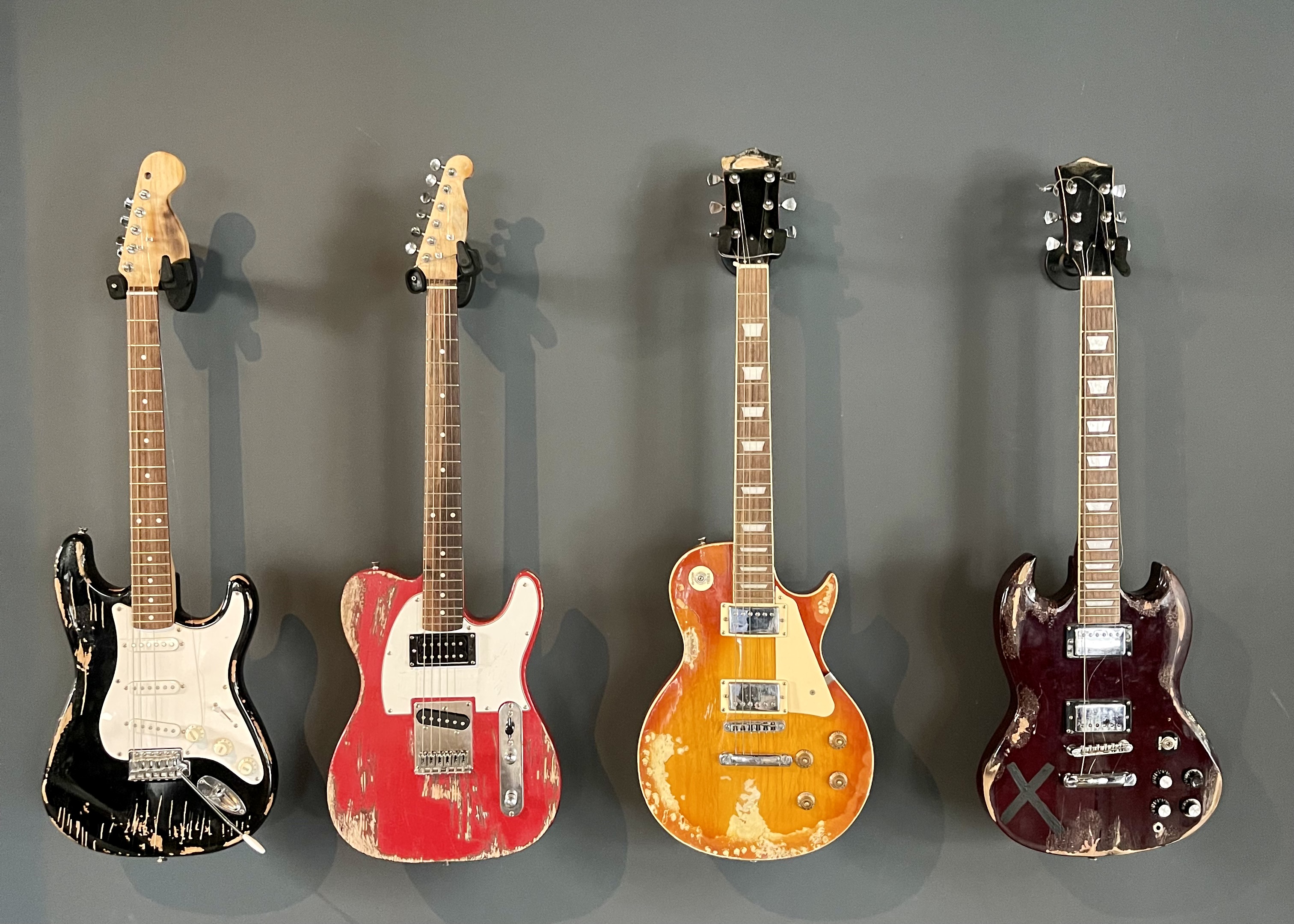
Mastery experiences can take many forms, depending on personal interests and preferences. For some, it might be learning a new language or musical instrument. For others, it might involve physical challenges such as rock climbing, hiking, or engaging in a new sport. Creative pursuits like painting, writing, or crafting can also be excellent mastery experiences. The key is that the activity should be challenging, engaging, and different from one’s usual work tasks.
The goal is not to add more stress but to find enjoyment and growth outside your work environment.
Benefits of Mastery Experiences
- Enhanced Mental Health: Engaging in challenging activities helps reduce psychological distress. The sense of accomplishment from mastering a new skill or overcoming a physical challenge boosts self-esteem and confidence, contributing to better mental health.
- Increased Vigor and Energy: Mastery experiences recharge our mental and physical batteries. The thrill of engaging in something new and exciting increases overall energy levels, which can be transferred to work-related activities.
- Improved Problem-Solving Skills: Mastery experiences often require critical thinking and problem-solving. These skills are transferable to the workplace, leading to better performance and innovation.
- Better Work-Life Balance: By investing time in activities outside of work, individuals can achieve a more balanced life. This balance is crucial for long-term well-being and career satisfaction.
Incorporating Mastery Experiences into Your Life
To reap the benefits of mastery experiences, it’s important to be intentional about incorporating them into your routine. Start by identifying activities that interest you and present a healthy challenge. Set realistic goals and commit to engaging in these activities regularly. Remember, the goal is not to add more stress but to find enjoyment and growth outside of your work environment.
If you want to learn more about recovery experiences and how to mitigate burnout, I’m here for you. We’ll work together to break through barriers, harness your unique potential, and help you achieve your personal and professional goals. Schedule an appointment today, and let’s chat about what you can do to be the best version of yourself.
- https://www.history.com/news/accidental-inventions ↩
- Casper, A., Tremmel, S., & Sonnentag, S. (2019). Patterns of positive and negative work reflection during leisure time: A latent profile analysis. Journal of Occupational Health Psychology, 24(5), 527-542. https://doi.org/10.1037/ocp0000142 ↩

 Gabriel Coaching and Consulting - Palm Coast, FL
Leave a reply to Creating a Culture of Recovery to Mitigate Employee Burnout: Part 4 – Gabriel Coaching and Consulting – Palm Coast, FL Cancel reply