
Lessons from the Dunning-Kruger Effect
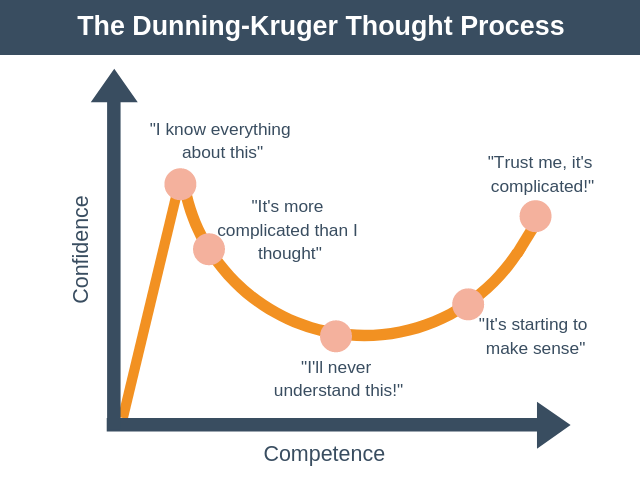
In the dynamic and often challenging world of leadership, confidence, vision, and decisiveness are celebrated traits. Leaders are expected to chart clear paths, inspire their teams, and drive results. However, there is another essential trait that is sometimes overlooked in the leadership toolkit: humility. This trait becomes even more critical when we consider the implications of the Dunning-Kruger effect.
The Dunning-Kruger effect is a cognitive bias identified by psychologists David Dunning and Justin Kruger. It describes the phenomenon where individuals with limited knowledge or competence in a specific area tend to overestimate their abilities. Conversely, those with substantial expertise often underestimate their performance. This paradoxical effect highlights a crucial aspect of self-awareness in leadership.
Why Does the Dunning-Kruger Effect Matter for Leaders?
The essence of the Dunning-Kruger effect lies in self-awareness and the understanding of one’s limitations. Leaders who overestimate their capabilities can make misguided decisions, ignore valuable feedback, and stifle the growth and innovation within their teams. On the other hand, leaders who recognize and admit their limitations can create a more inclusive, innovative, and high-performing environment.
The Role of Humility in Leadership
Humility is not about underestimating oneself or lacking confidence. Rather, it is about having a realistic understanding of one’s strengths and weaknesses and being open to learning from others. Here are some key reasons why humility is a cornerstone of effective leadership:
Fostering Diverse Perspectives
Humility in leadership encourages the seeking of diverse perspectives. Leaders who acknowledge that they do not have all the answers are more likely to listen to their teams, value different viewpoints, and foster a culture of collaboration. This diversity of thought can lead to more creative solutions and better decision-making.
Continuous Learning and Improvement
Leaders with humility are lifelong learners. They recognize that there is always room for growth and improvement. By admitting that they do not know everything, they remain open to new ideas, feedback, and learning opportunities. This mindset not only enhances their own skills but also sets a powerful example for their teams.
Building Trust and Authentic Connections
Humility builds trust. When leaders are open about their limitations and willing to admit mistakes, they create an environment of authenticity and transparency. Team members are more likely to feel safe, respected, and valued, leading to stronger relationships and greater team cohesion.
Avoiding the Pitfalls of Overconfidence
Overconfidence, as highlighted by the Dunning-Kruger effect, can lead to critical errors in judgment. Humble leaders are more cautious and deliberate in their decision-making. They seek input from others, consider multiple angles, and are more likely to make well-informed choices that benefit the organization as a whole.
Humility is not about underestimating oneself or lacking confidence. Rather, it is about having a realistic understanding of one’s strengths and weaknesses and being open to learning from others.
Dr. Jack Pladdys, Ph.D.
Embracing Humility: A Path to Effective Leadership
To truly harness the power of humility in leadership, leaders can take several actionable steps:
- Seek Feedback Regularly: Actively solicit feedback from team members, peers, and mentors. Use this feedback to identify areas for improvement and to gain new insights.
- Admit Mistakes: When mistakes happen, acknowledge them openly and take responsibility. Use these moments as learning opportunities rather than deflecting blame.
- Celebrate Team Successes: Shift the focus from individual achievements to collective successes. Recognize and celebrate the contributions of others, fostering a team-oriented mindset.
- Stay Curious: Cultivate a curiosity-driven approach to leadership. Stay informed about new trends, technologies, and methodologies. Engage in continuous learning and encourage your team to do the same.
Humility is a powerful and essential trait for effective leadership. By understanding and embracing the lessons of the Dunning-Kruger effect, leaders can create more inclusive, innovative, and successful organizations. True leadership is not about always being right; it is about guiding your team towards collective success and fostering a culture of continuous improvement and mutual respect.
If you want to learn more about the ways humility can make your leadership effective, I’m here for you. We’ll work together to break through barriers, harness your unique potential, and help you achieve your personal and professional goals. Schedule an appointment today, and let’s chat about what you can do to be the best version of yourself.
 Gabriel Coaching and Consulting - Palm Coast, FL
Leave a comment